
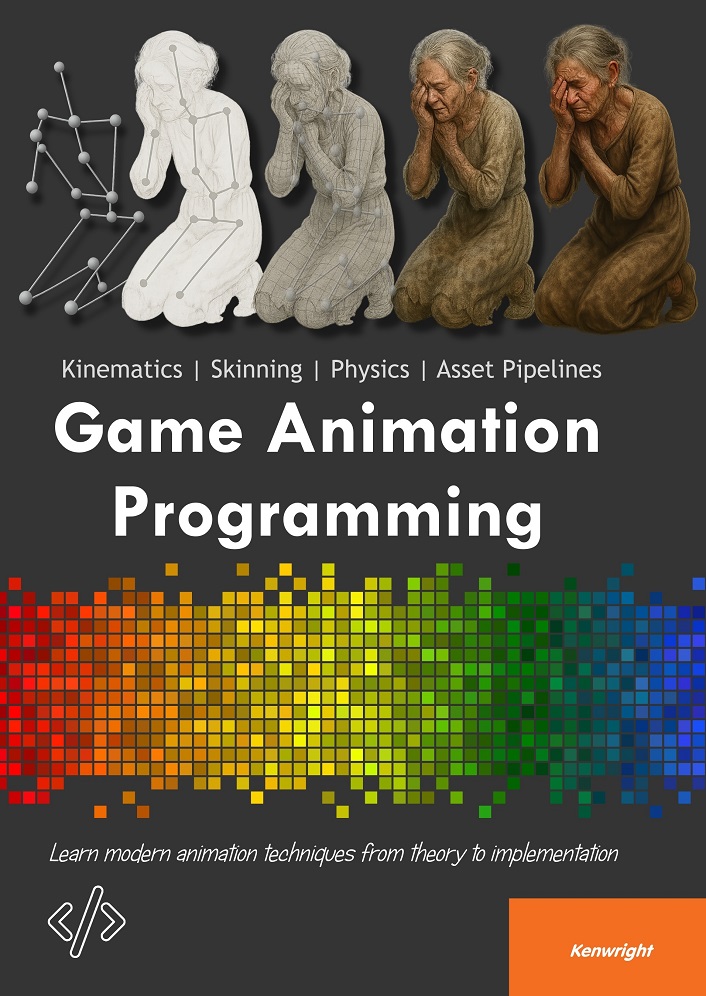
Game Development
Game Animation Programming
Master advanced animation programming concepts including rigs, inverse kinematics, and ragdoll systems.
Understand advanced animation programming concepts.
I Got a Fever / THE CATALOGUE
Choose a book that addresses the part of a subject you keep thinking about.
Try a topic plus an author, or use an ISBN for an edition. Need help choosing?
805 books matching “Game Development”
Clear filters
Master advanced animation programming concepts including rigs, inverse kinematics, and ragdoll systems.
Understand advanced animation programming concepts.
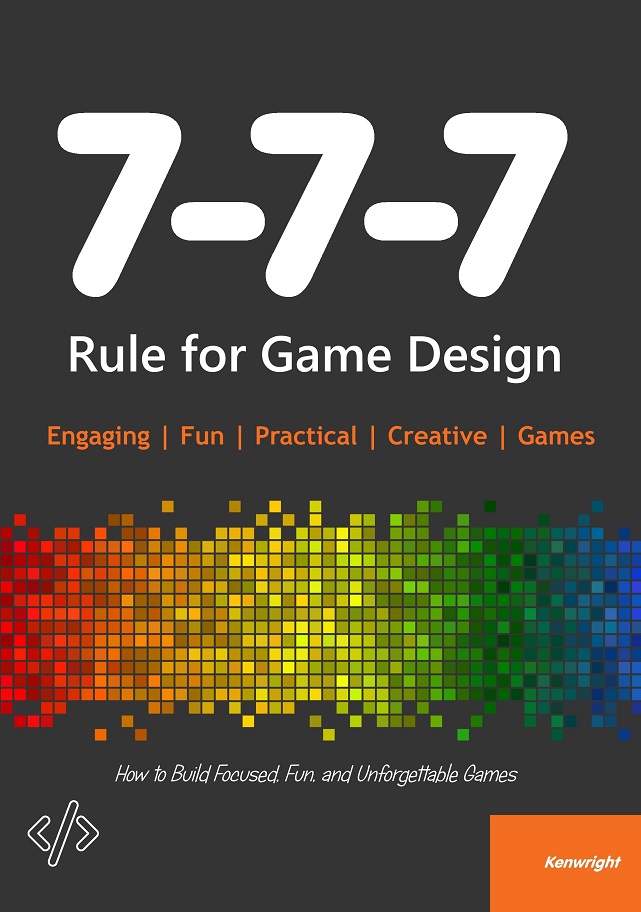
A practical framework that helps game creators shape mechanics and player experiences with clarity and confidence.
Learn a clear framework for structuring game ideas.
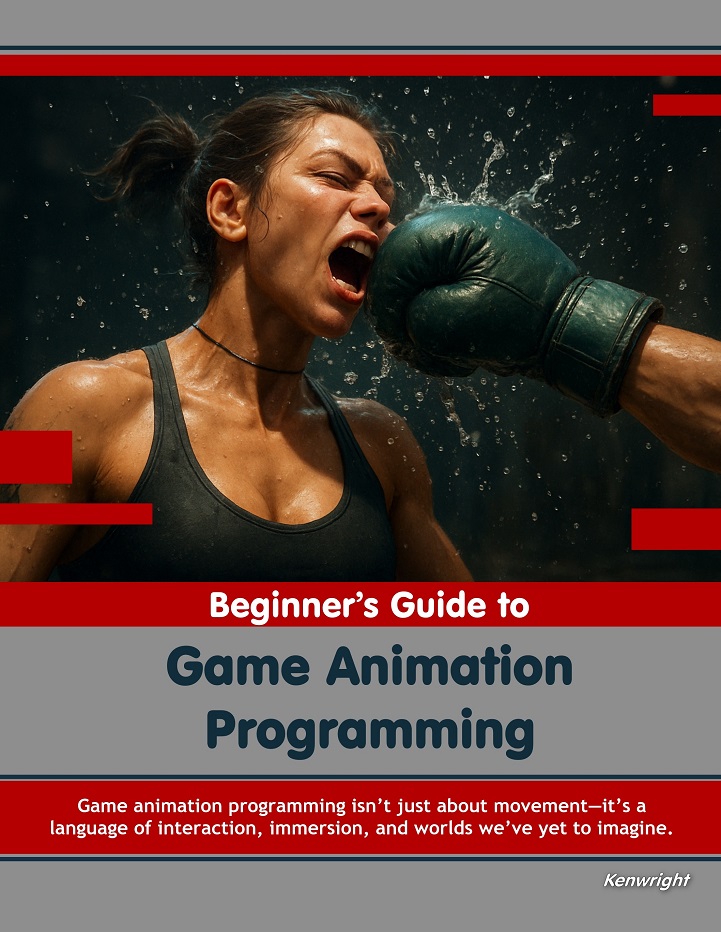
Step into the world of game animation programming with clear examples and practical guidance.
Gain a clear understanding of animation programming basics.

A quick, focused guide to the processes, tools, and decision‑making that turn a game idea into a shipped product.
Understand the full lifecycle of a game project.
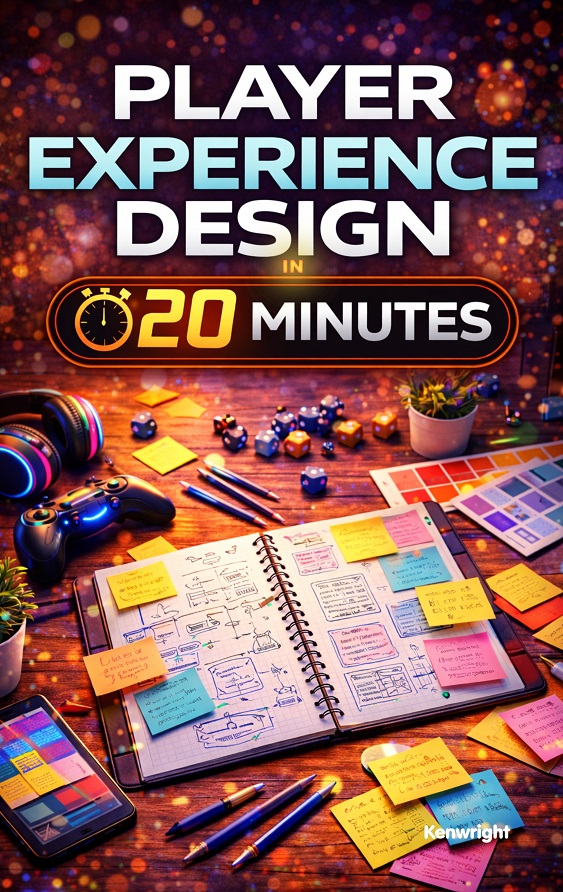
A concise guide to understanding and shaping the emotional and cognitive journey players experience inside your game.
Learn how players perceive and interpret game systems.

A hands-on guide to transforming game ideas into playable prototypes in just 20 minutes, focusing on rapid iteration and creative exploration.
Transform abstract game ideas into testable prototypes quickly.
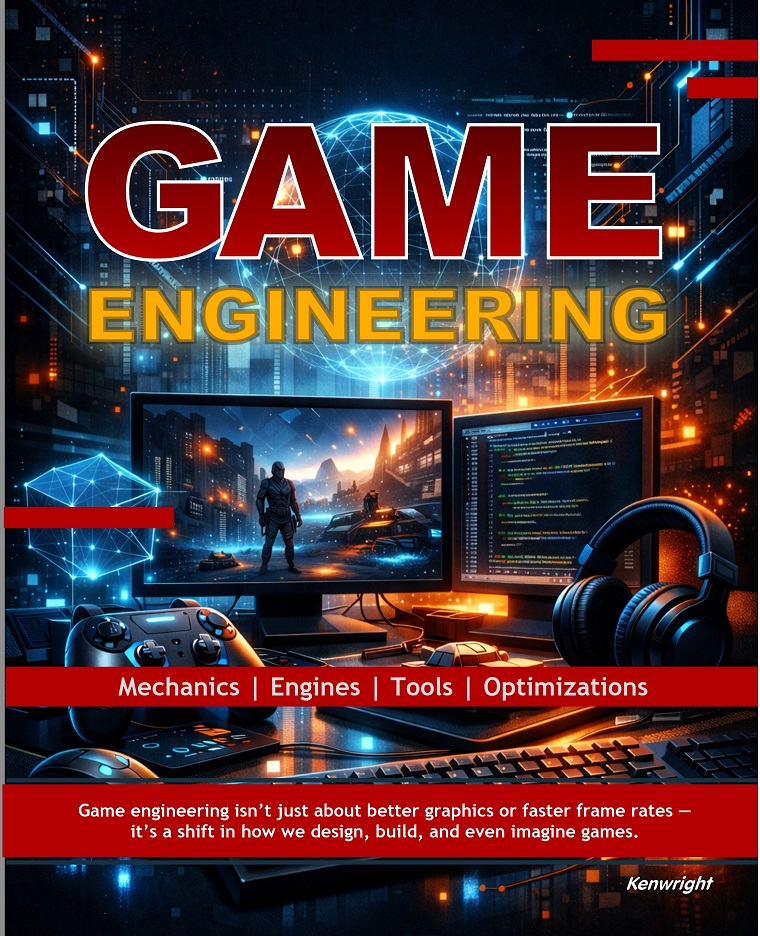
A deep, practical guide to the systems and architecture that power modern games.
Learn the core principles of game engine architecture.
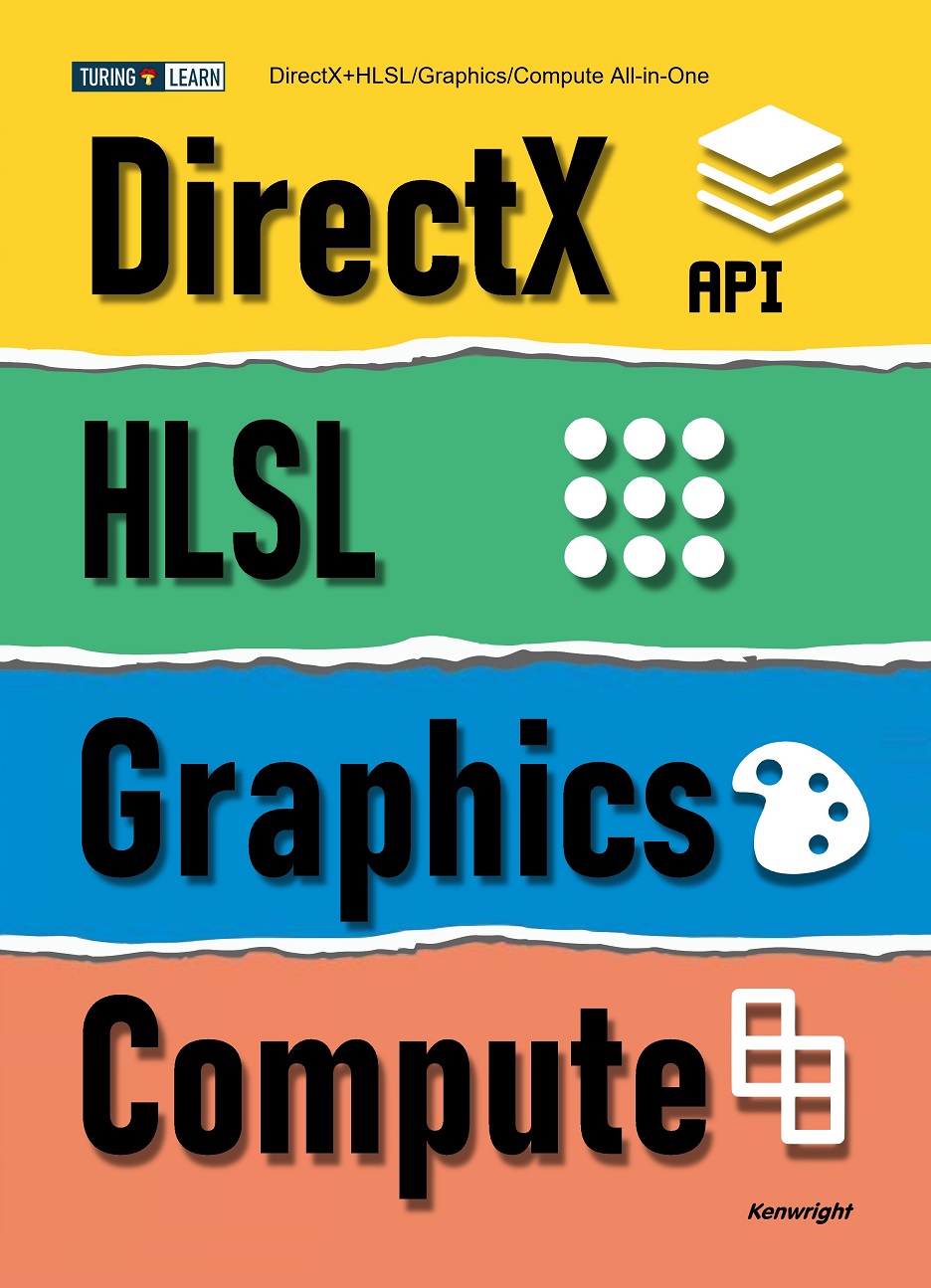
A practical all-in-one guide to DirectX 12, HLSL shaders, and GPU compute programming.
Gain a deep understanding of DirectX 12 and HLSL.

A practical beginner’s guide to game design, focusing on small projects and core principles.
Understand the core principles of game design.
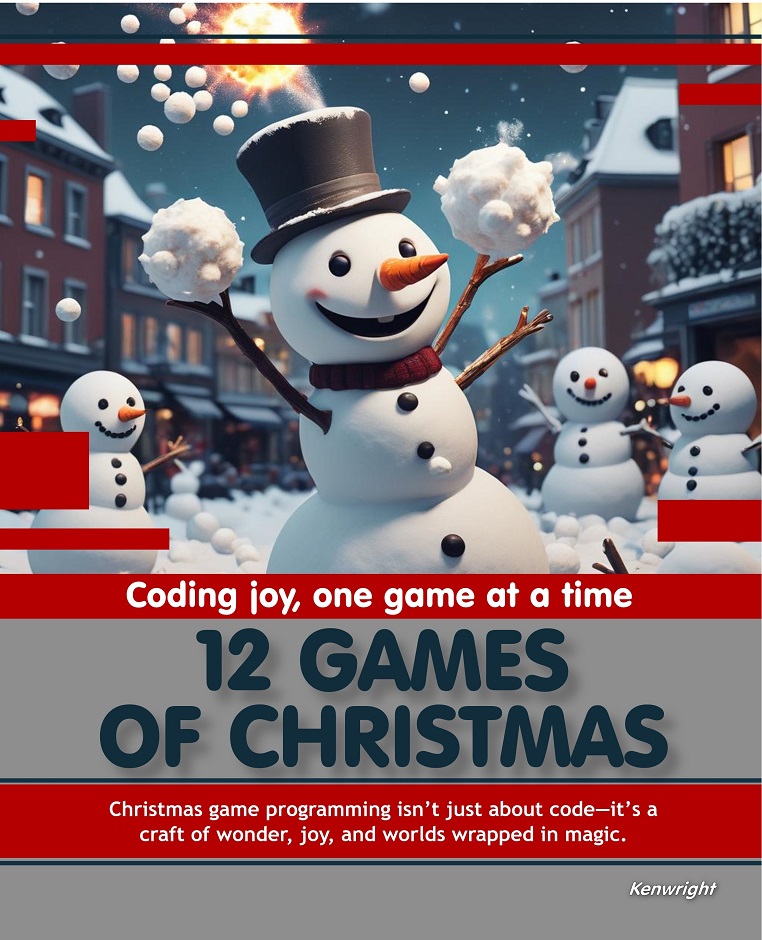
Learn to code by creating 12 fun Christmas-themed games, perfect for beginners and festive learning.
Gain hands-on coding experience through themed projects.
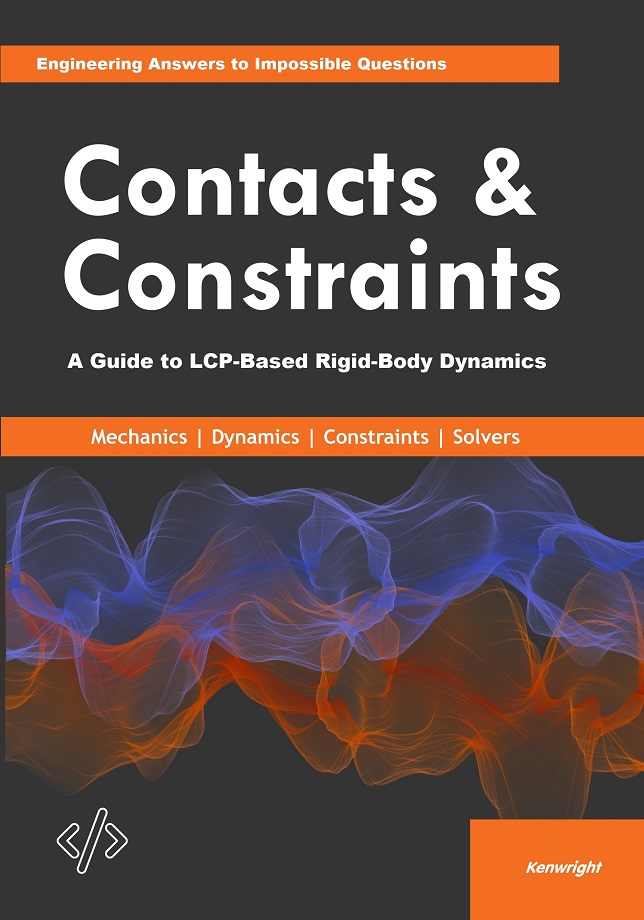
A practical deep dive into the physics, mathematics, and engineering behind stable real‑time simulations.
Understand how constraints and contacts are formulated and solved.
Choose a book that addresses the part of a subject you keep thinking about.